SCHOOL TIMINGS & SESSION

ADMISSION PERIOD:- From 1st Week of April to 15th April for I-IX and for Class XI Centralized Admission from last week of June onwards.
SCHOOL TIMINGS & SESSION

ADMISSION PERIOD:- From 1st Week of April to 15th April for I-IX and for Class XI Centralized Admission from last week of June onwards.
SCHEME OF THE EXAMINATION
WEIGHTAGE OF MARKS TOWARDS FINAL RESULTS
| Unit Test | Unit I | 5% |
| Unit II | 5% | |
| Terminal Examinations | 1st Terminal | 10% |
| 2nd Terminal | 10% | |
| Annual Examination | 70% | |
| TOTAL | Annual Exam +( Unit Test + Terminal Exam ) | 100% |
NUMBER OF SEATS IN EACH CLASS
| Class
| Arts | Vocational IT |
| 10+1 | 165 | 30 |
| Total | 165 | 30 |
Note:- From Pre-Nursery to 10th Seats according to RTE norms & infrastructures.
Transport Facility
FEE AND FUNDS OF THE SCHOOL
No tuition fee is charged from Students. Half of the funds are charged from SC/ST girls. Students are supposed to pay Fees and Funds at the rates prescribed by the department of Education, Chandigarh.
Fees From class Pre- Nursery to VIII : Nil
From Class IX to XII:
(Note : Admission Fee charge only at the time of first admission to the school )
| Admission Fees | Rs. 25/- |
| Re Admission fee | Rs. 17/- |
| Late S.L.C Fee | Rs. 1/- |
| Funds (Monthly) | |
| Amalgamated Fund | Rs. 17/- |
| Music dance, Home Science, Fine Arts | Rs. 15/- |
| Geography, Psychology, Computer Science | Rs.15/- |
| Vocational Subjects Fund | Rs.17/- |
| Audio Visual fund | Rs. 3/- |
| Red Cross Fund | Rs. 3/- |
| Health fund | Rs. 3/- |
| Cycle fund | Rs. 3/- |
| Scooter / Moped Fund | Rs. 7/- |
| Work experience Fund/ General Foundation | Rs. 7/- |
| Child Welfare Fund | Rs. 7/- |
| I.T Fund | Rs. 25/- |
| Annuals Funds | |
| Magazine Fund | Rs. 87/- |
| Excursion Fund | Rs. 67/- |
| Identity Card Fund (Excluding Photo) | Rs. 12/- |
| Dilapidation Fund | Rs. 25/- |
| Library Security (Refundable) | Rs. 125/- |
| Building fund | Rs. 30/- |
| Club/Societies | Rs. 25/- |
| Vocational Guidance Fund | Rs. 15/- |
| Sports Fund | Rs. 27/- |
| Examination Fund and stationary | Rs. 50/- |
ADMISSION
Criteria for Admission
SCHOOL INFRASTRUCTURE
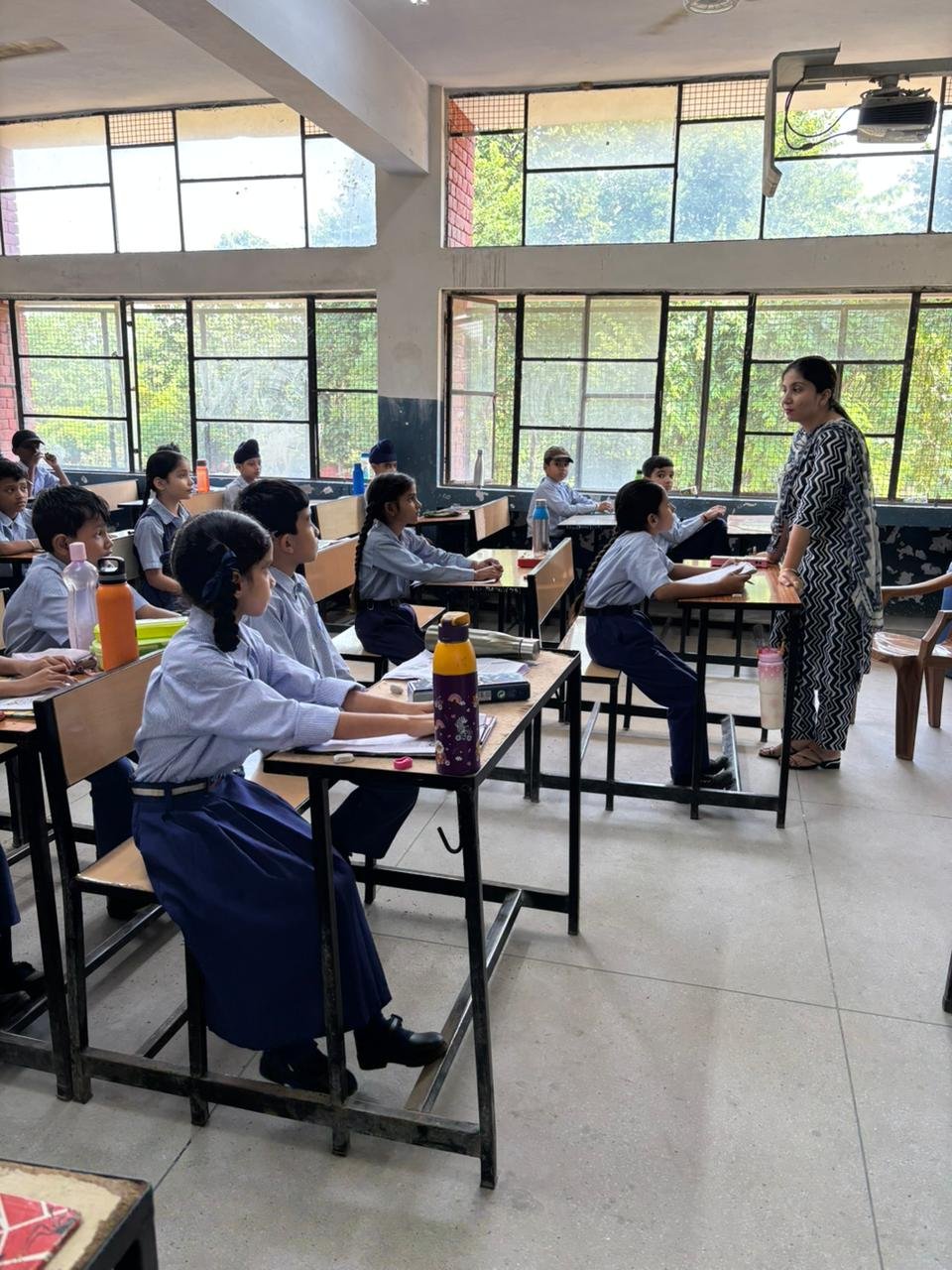
Number of Class Rooms available:
| I to VIII = 19 | IX to X = 5 | XI to XII = 6 |
Number of other Rooms:
| Principal Office | Accountant Office | Staff Room for Teachers
|
| Music Room | Activity Room | MDM Room |
| Work Exp. Lab/Fine Arts Room | Library | |
| Sports Room | Sick Room |
Existing Labs in School:
| Integrated Science and Maths Lab (I-X) | SPIC Computer Lab with 26 Computers | |
| Social Science Lab | I.T. Lab for XI-XII with 19 Computers |
| Staff = 2 | Students – Boys = 5 | Girls = 5 |
| Condition: All are working with proper cleaning and water facility. | ||
| For Students Bench – 1000 | Table – 400 | Dual Desk – 600 |
SCHOOL AFFILIATION DETAILS

GENERAL CONDUCT RULES OF THE SCHOOL
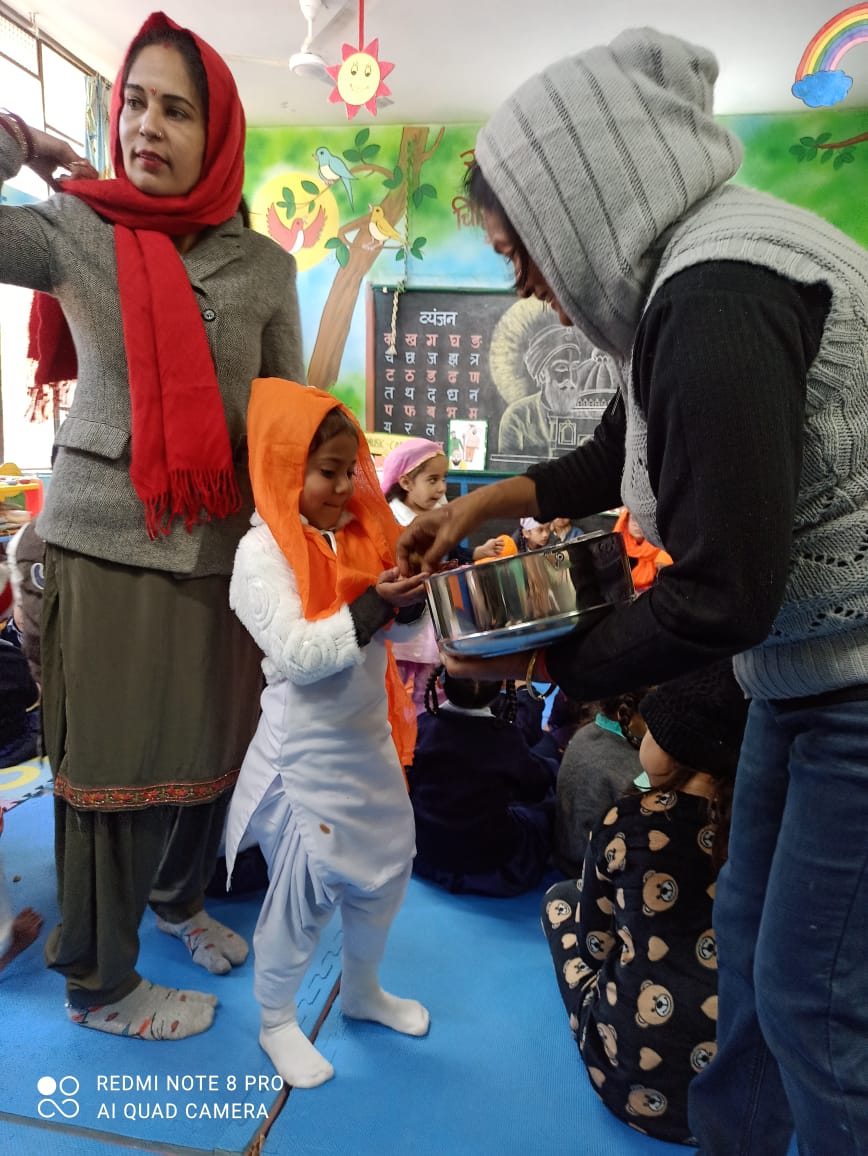
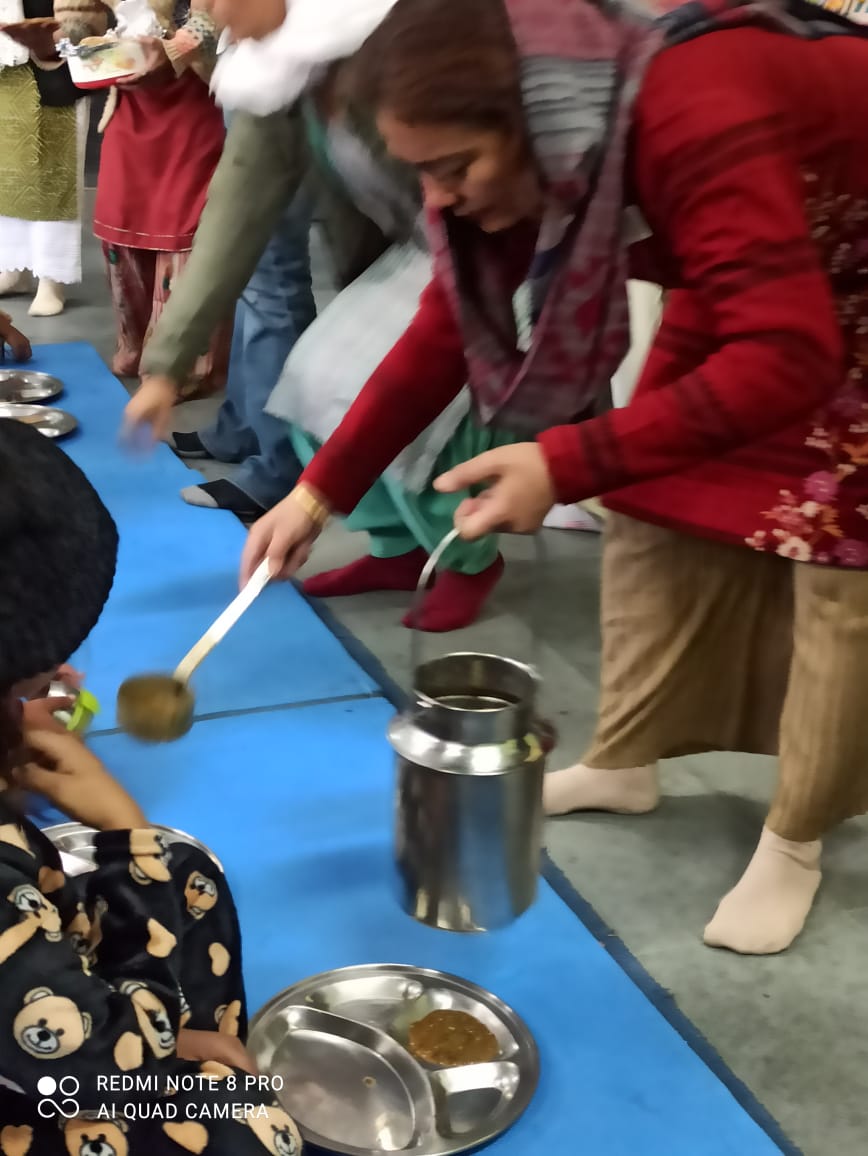
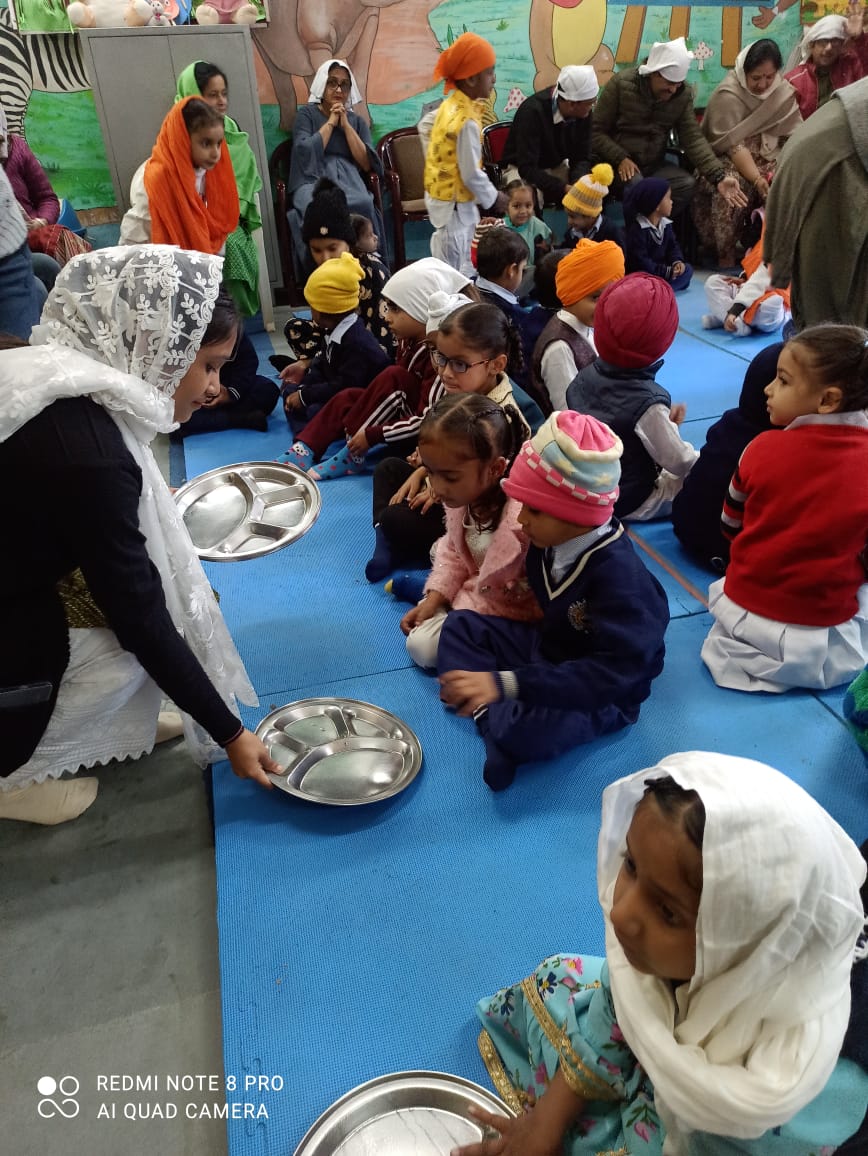
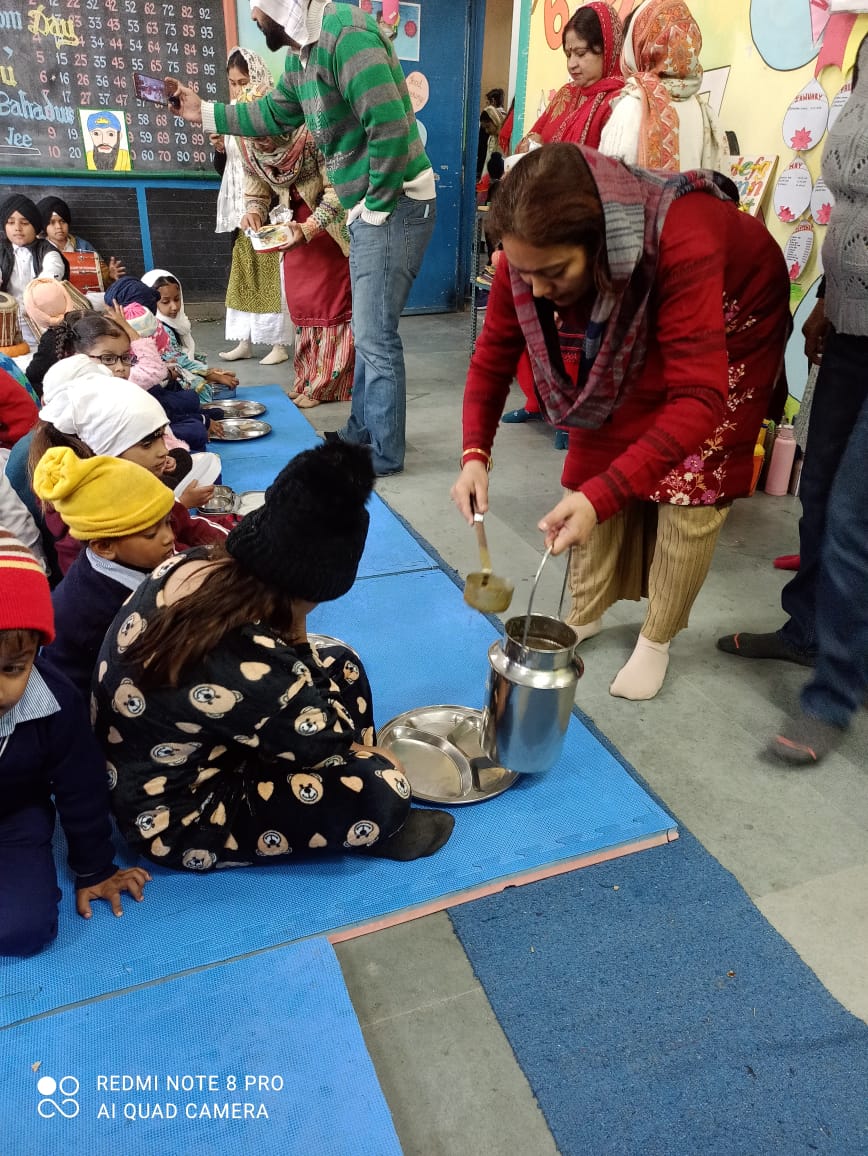
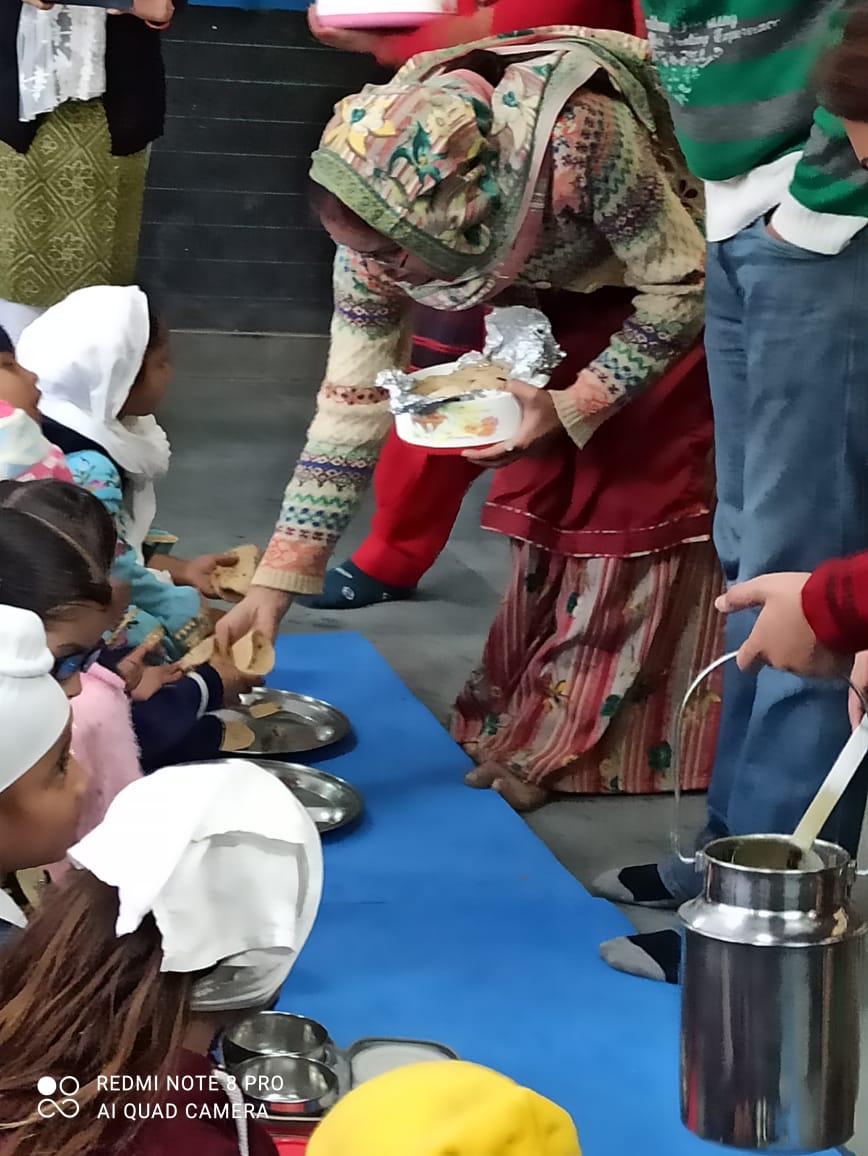
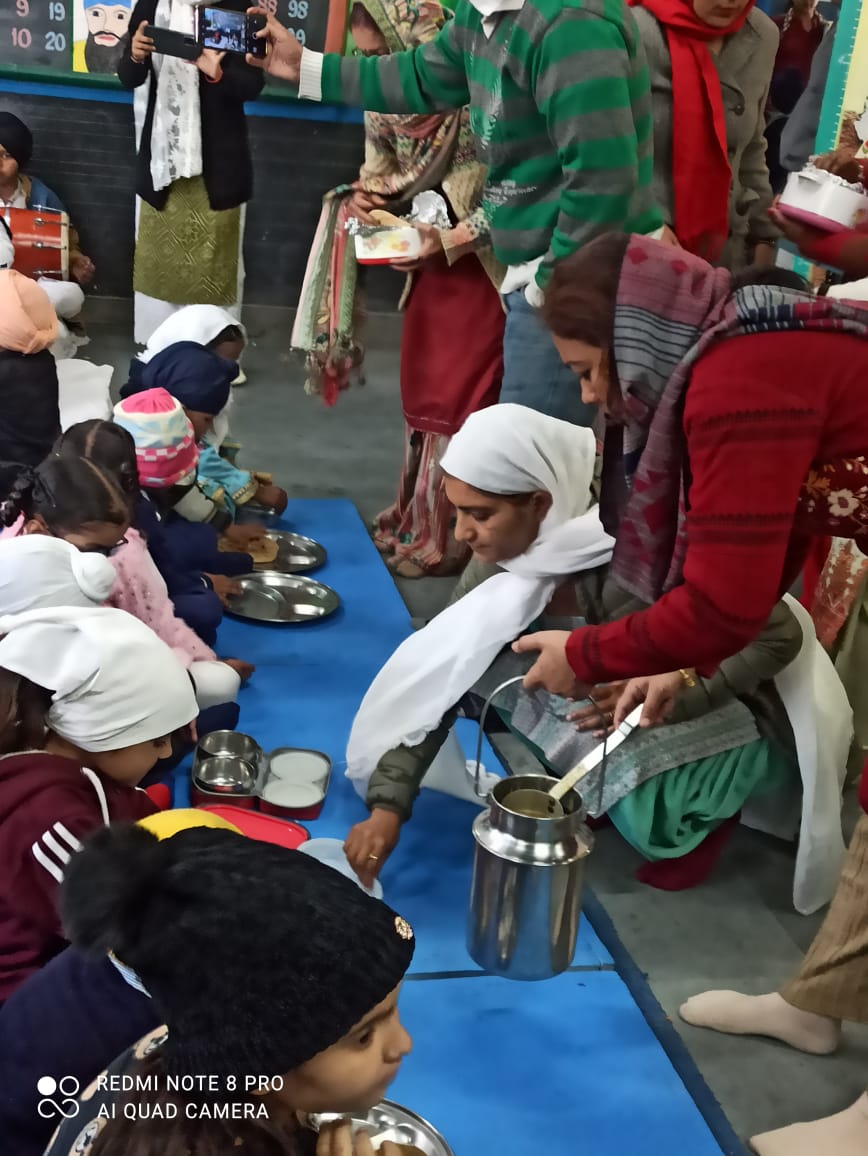
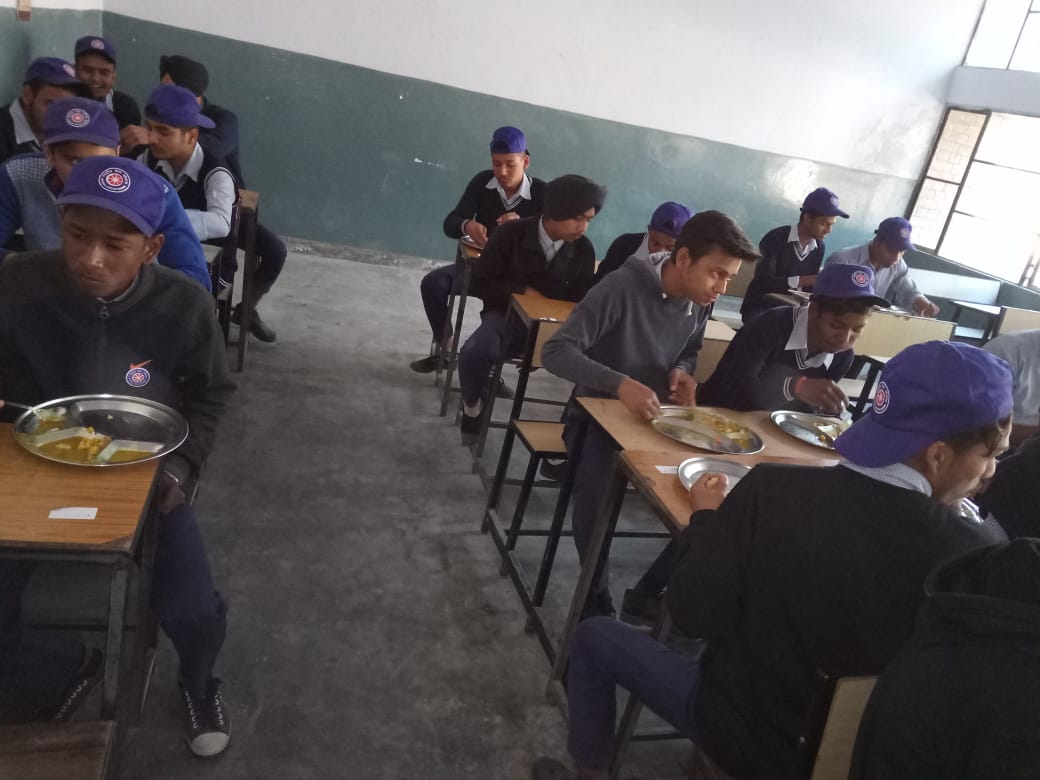
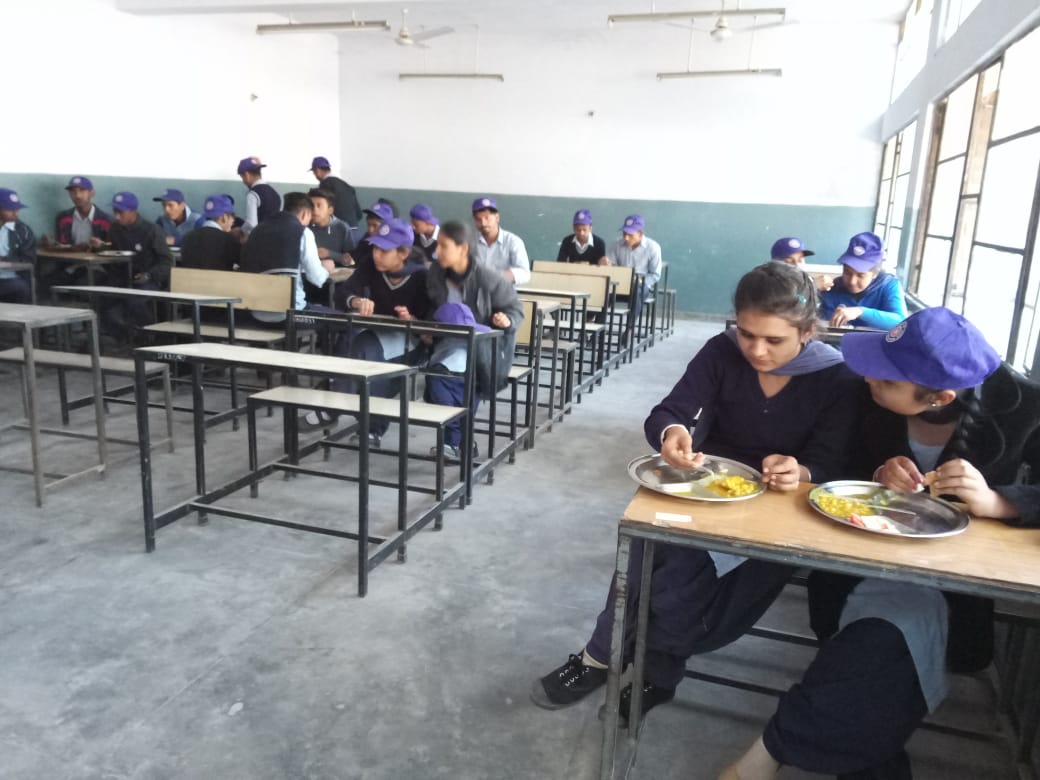
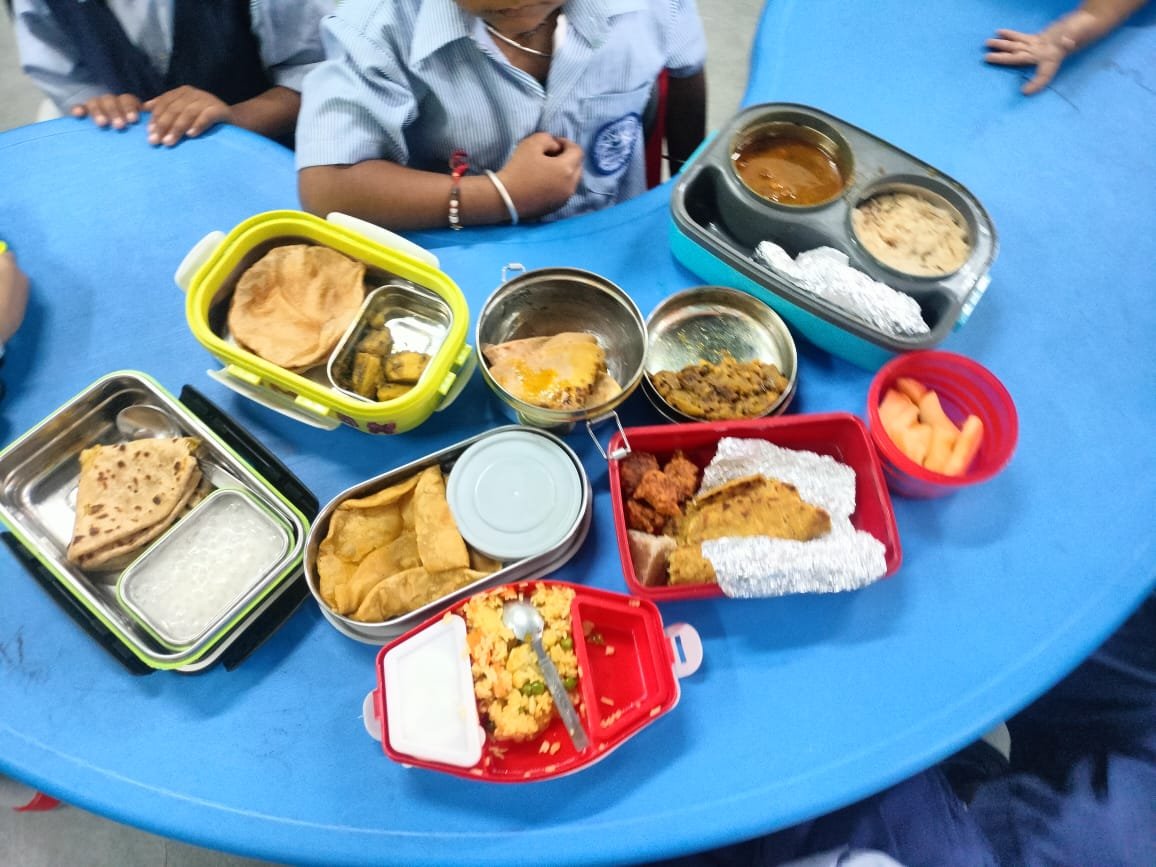
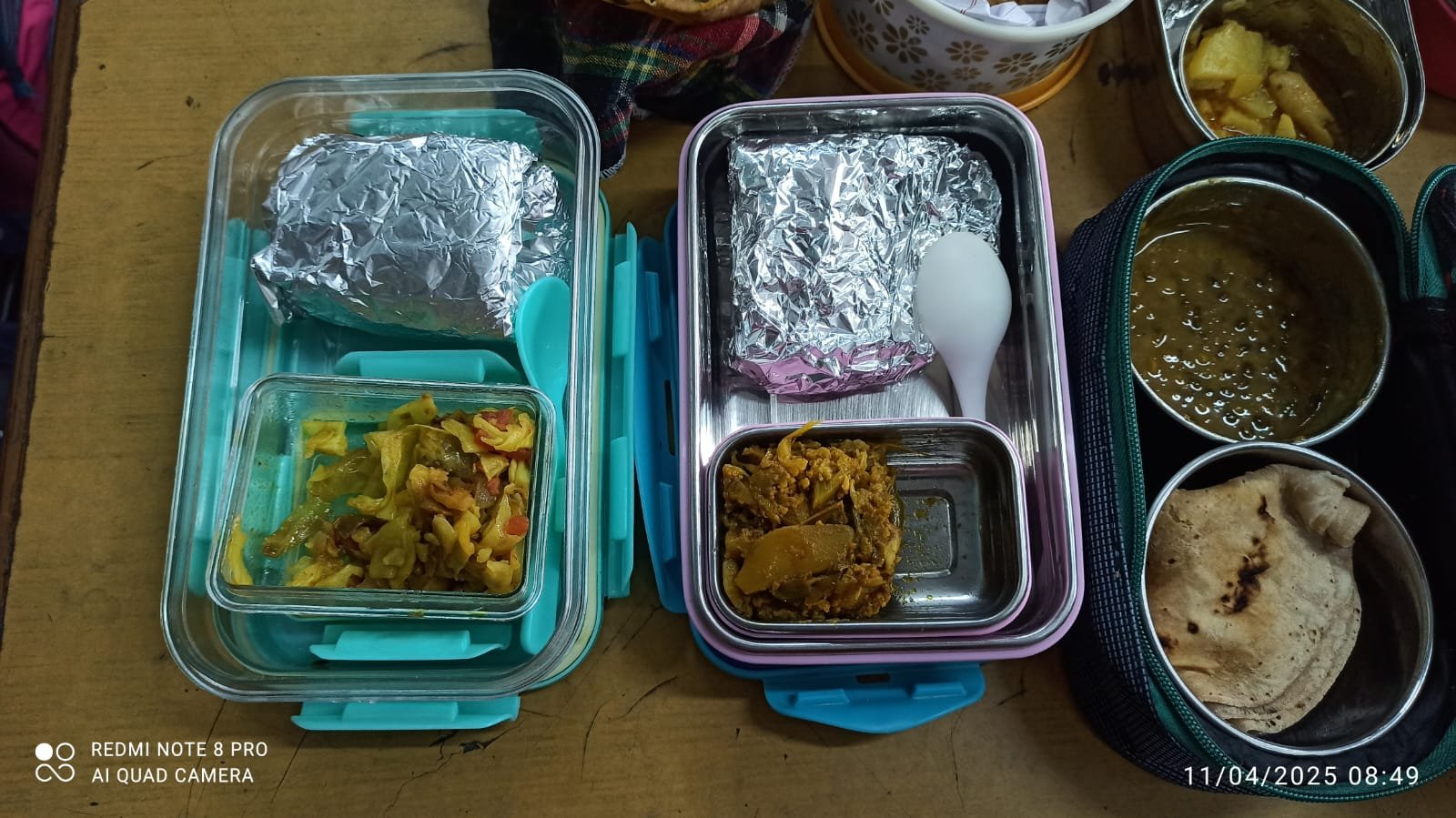
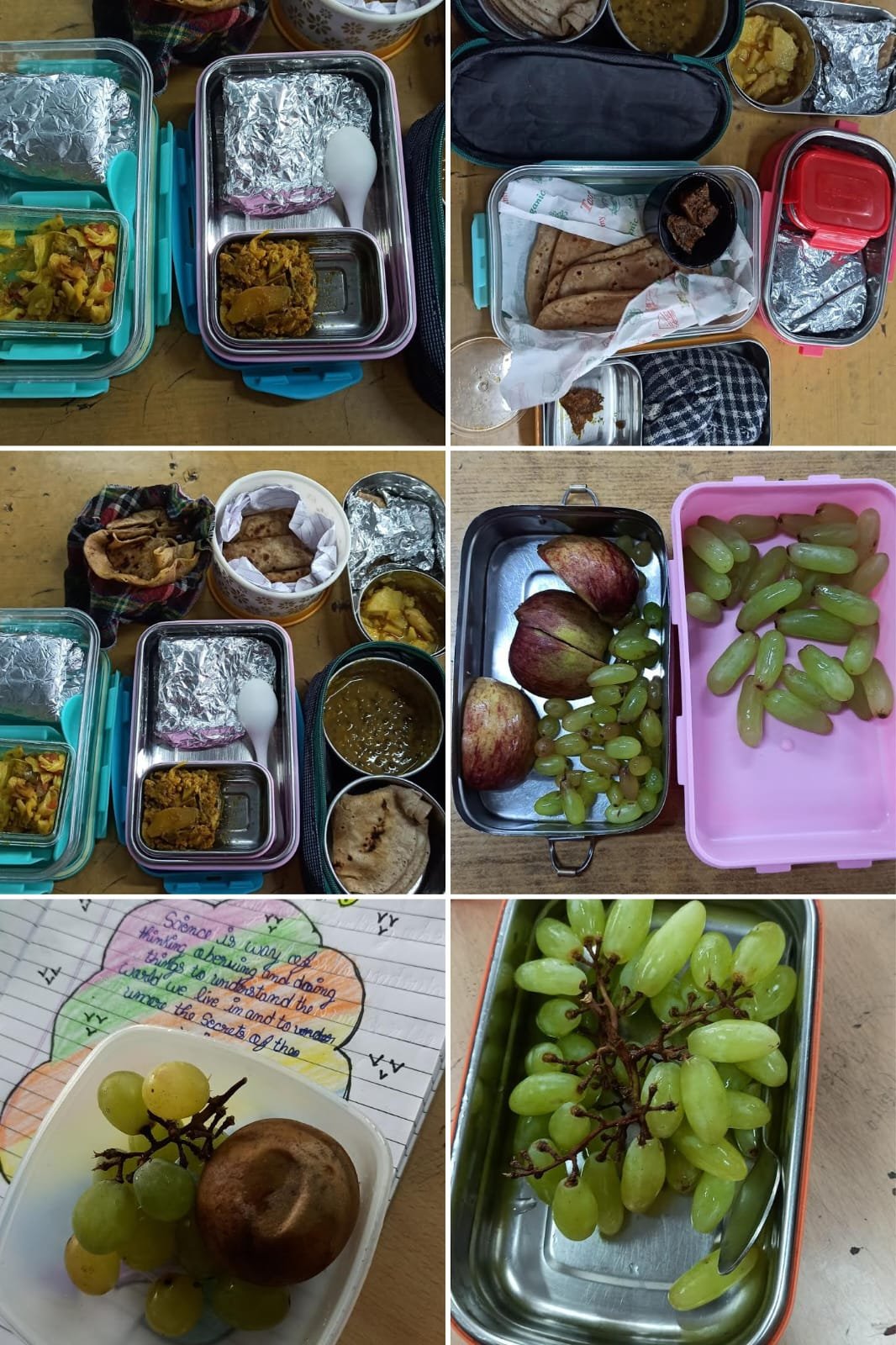
MID DAY MEAL (FREE MEAL TO STUDENTS)
The Mid-day Meal Scheme is the popular name for school meal programme in India. It involves provision of lunch free of cost to school-children on all working days. The key objectives of the programme are: protecting children from classroom hunger, increasing school enrolment and attendance, improved socialisation among children belonging to all castes, addressing malnutrition, and social empowerment through provision of employment to women

About the Mid Day Meal Scheme
Mid Day Meal in schools has had a long history in India. In 1925, a Mid Day Meal Programme was introduced for disadvantaged children in Madras Municipal Corporation. By the mid 1980s three States viz. Gujarat, Kerala and Tamil Nadu and the UT of Pondicherry had universalized a cooked Mid Day Meal Programme with their own resources for children studying at the primary stage By 1990-91 the number of States implementing the mid day meal programme with their own resources on a universal or a large scale had increased to twelve states.
1. With a view to enhancing enrollment, retention and attendance and simultaneously improving nutritional levels among children, the National Programme of Nutritional Support to Primary Education (NP-NSPE) was launched as a Centrally Sponsored Scheme on 15th August 1995, initially in 2408 blocks in the country. By the year 1997-98 the NP-NSPE was introduced in all blocks of the country. It was further extended in 2002 to cover not only children in classes I -V of Government, Government aided and local body schools, but also children studying in EGS and AIE centres. Central Assistance under the scheme consisted of free supply of food grains @ 100 grams per child per school day, and subsidy for transportation of food grains up to a maximum of Rs 50 per quintal.
2. In September 2004 the scheme was revised to provide cooked mid day meal with 300 calories and 8-12 grams of protein to all children studying in classes I – V in Government and aided schools and EGS/ AIE centres. In addition to free supply of food grains, the revised scheme provided Central Assistance for (a) Cooking cost @ Re 1 per child per school day, (b) Transport subsidy was raised from the earlier maximum of Rs 50 per quintal to Rs. 100 per quintal for special category states, and Rs 75 per quintal for other states, (c) Management, monitoring and evaluation costs @ 2% of the cost of foodgrains, transport subsidy and cooking assistance, (d) Provision of mid day meal during summer vacation in drought affected areas.
3. In July 2006 the scheme was further revised to provide assistance for cooking cost at the rate of (a) Rs 1.80 per child/school day for States in the North Eastern Region, provided the NER States contribute Rs 0.20 per child/school day, and (b) Rs 1.50 per child/ school day for other States and UTs, provided that these States and UTs contribute Rs 0.50 per child/school day.
4. In October 2007, the scheme has been further revised to cover children in upper primary (classes VI to VIII) initially in 3479 Educationally Backwards Blocks (EBBs). Around 1.7 crore upper primary children were included by this expansion of the scheme. From 2008-09 i.e w.e.f 1st April, 2008, the programme covers all children studying in Government, Local Body and Government-aided primary and upper primary schools and the EGS/AIE centres including Madarsa and Maqtabs supported under SSA of all areas across the country. The calorific value of a mid-day meal at upper primary stage has been fixed at a minimum of 700 calories and 20 grams of protein by providing 150 grams of food grains (rice/wheat) per child/school day.
5.From the year 2009 onwards the following changes have been made to improve the implementation of the scheme:-
a) Food norms have been revised to ensure balanced and nutritious diet to children of upper primary group by increasing the quantity of pulses from 25 to 30 grams, vegetables from 65 to 75 grams and by decreasing the quantity of oil and fat from 10 grams to 7.5 grams.
b) Cooking cost (excluding the labour and administrative charges) has been revised from Rs.1.68 to to Rs. 2.50 for primary and from Rs. 2.20 to Rs. 3.75 for upper primary children from 1.12.2009 to facilitate serving meal to eligible children in prescribed quantity and of good quality .The cooking cost for primary is Rs. 2.69 per child per day and Rs. 4.03 for upper primary children from 1.4.2010.The cooking cost will be revised prior approval of competent authority by 7.5% every financial year from 1.4.2011.
c) The honorarium for cooks and helpers was paid from the labour and other administrative charges of Rs.0.40 per child per day provided under the cooking cost. In many cases the honorarium was so little that it became very difficult to engage manpower for cooking the meal. A Separate component for Payment of honorarium @ Rs.1000 per month per cook- cum-helper was introduced from 1.12.2009. Honorarium at the above prescribed rate is being paid to cook-cum-helper. However, in some of the states the honorarium to cook-cum-helpers are being paid more than Rs.1000/- through their state fund. Following norms for engagement of cook-cum-helper have been made:
One cook- cum-helper for schools up to 25 students.
Two cooks-cum-helpers for schools with 26 to 100 students.
One additional cook-cum-helper for every addition of upto 100 students.
More than 25.70 lakhs cook-cum-helper are engaged by the State/UTs during 2013-14 for preparation and serving of Mid Day Meal to Children in Elementary Classes.
d) A common unit cost of construction of kitchen shed @ Rs.60,000 for the whole country was impractical and also inadequate .Now the cost of construction of kitchen-cum-store will be determined on the basis of plinth area norm and State Schedule of Rates. The Department of School Education and Literacy vide letter No.1-1/2009-Desk(MDM) dated 31.12.2009 had prescribed 20 sq.mt. plinth area for schools having upto 100 children. For every additional upto 100 children additional 4 sq.mt plinth area will be added. States/UTs have the flexibility to modify the Slab of 100 children depending upon the local condition.
e) Due to difficult geographical terrain of the Special category States the transportation cost @ Rs.1.25 per quintal was not adequate to meet the actual cost of transportation of foodgrains from the FCI godowns to schools in these States. On the request of the North Eastern States the transportation assistance in the 11 Special Category States (Northern Eastern States, Himachal Pradesh, Jammu & Kashmir and Uttarakhand) have been made at par with the Public Distribution System (PDS) rates prevalent in these States with effect from 1.12.2009.
f) The existing system of payment of cost of foodgrains to FCI from the Government of India is prone to delays and risk. Decentralization of payment of cost of foodgrains to the FCI at the district level from 1.4.2010 allowed officers at State and National levels to focus on detailed monitoring of the Scheme.
8.41 cr in Primary and 3.36 cr Upper Primary children i.e a total of 11.77 cr children were estimated to be benefited from MDM Scheme during 2009-10. 11.04 Crore children were covered under MDM Scheme during 2009-10. During 2010-11, 11.36 Cr children i.e 7.97 Cr. children in primary and 3.39 Cr. children in upper primary had been covered in 12.63 lakhs institutions. During 2011-12 total coverage of children against enrollment was 10.52 Crore (i.e. Prymary-7.71 crore and Upper Primary 3.36 crore children). During 2012-13, 10.68 Cr. children (Elementary level ) had been covered in 12.12 lakh Schools. 10.45 Cr. children were covered in 11.58 lakh Schools during 2013-14.
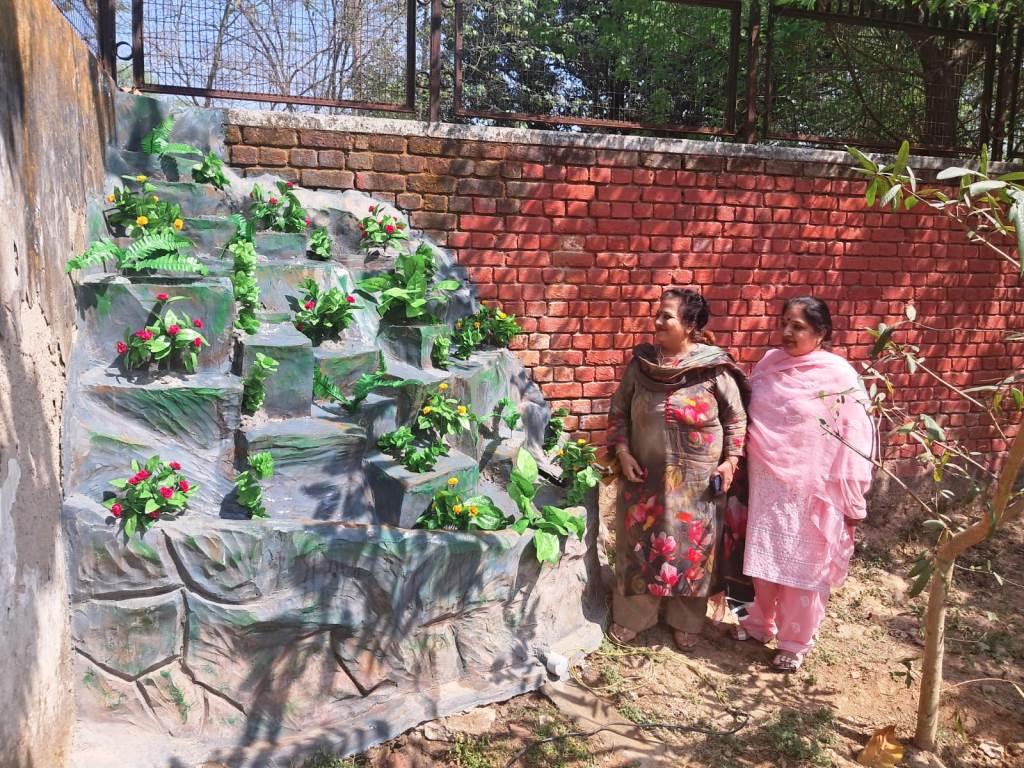
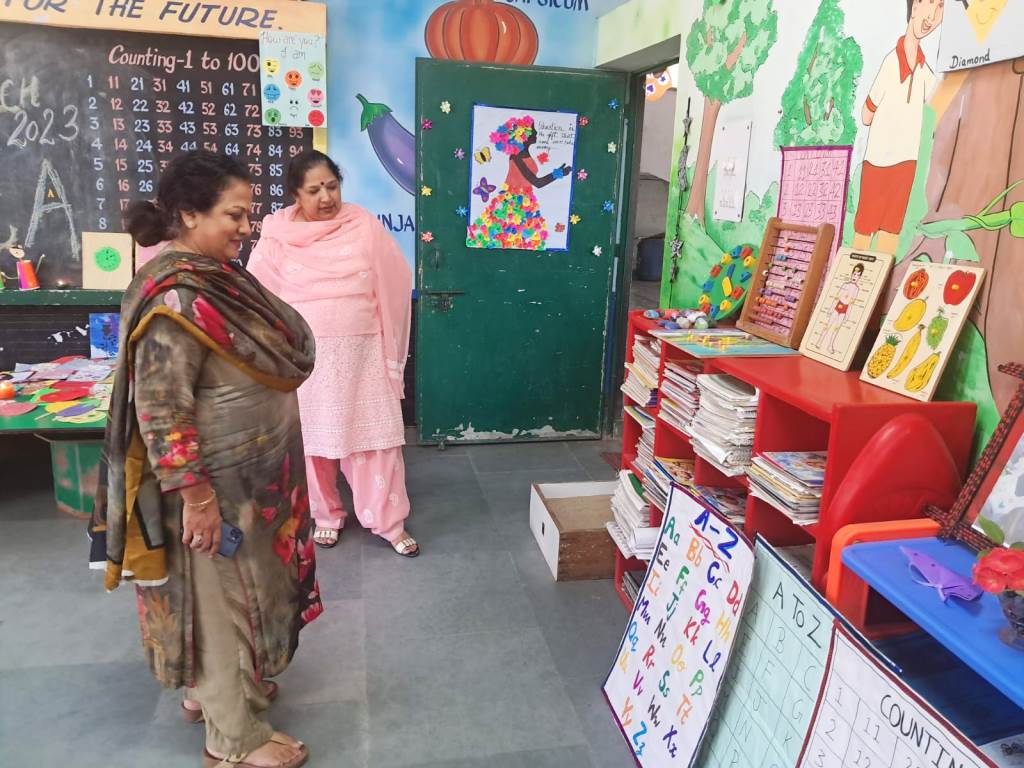
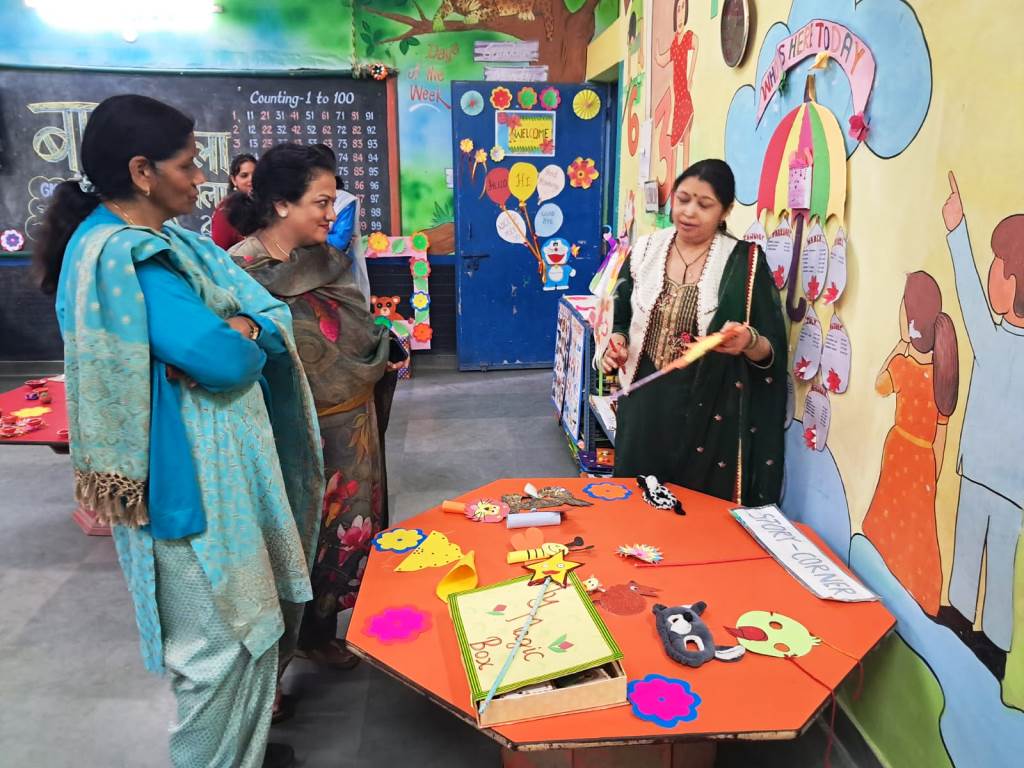
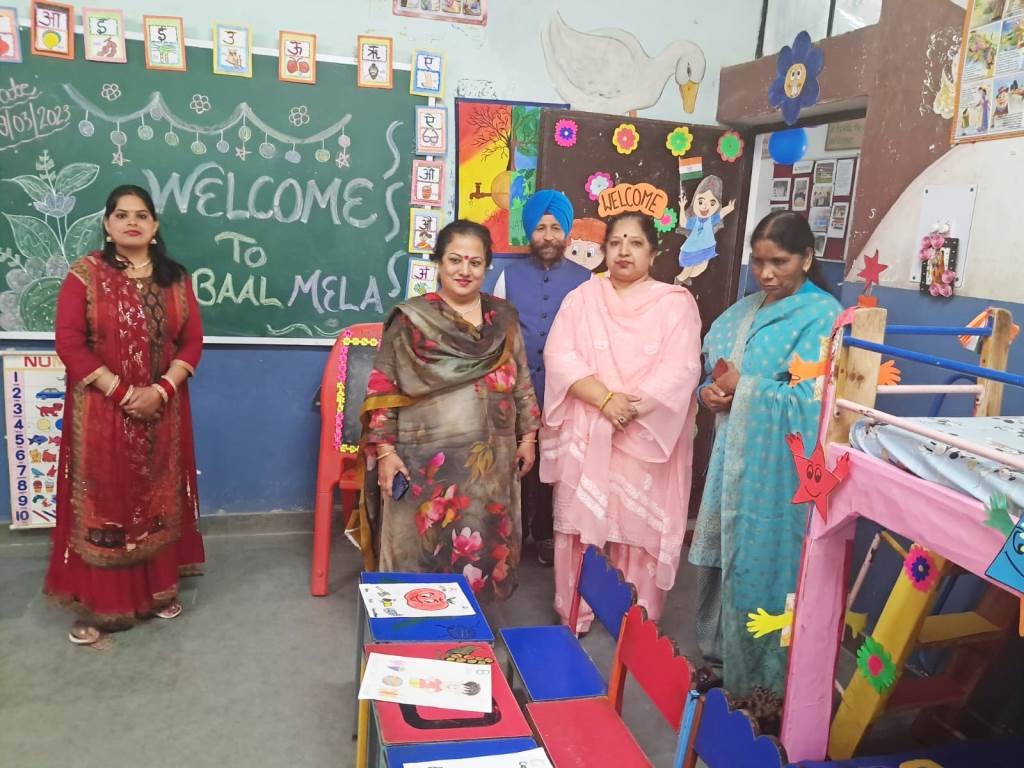
BaLA (Building as Learning Aid) is aninnovative concept towards qualitative improvement in education, through developing child-friendly, learning and fun based physical environment building in school infrastructure.

This concept was originally developed by Vinyas, Centre for Architectural Research & Design with support from UNICEF. Several teachers and Head Masters of schools have been trained to plan, implement and effectively use the BaLA concept in Model schools. While government may have limited resources, the demand for making or converting schools to Model schools with BaLA is growing by day.
What is BaLA ?

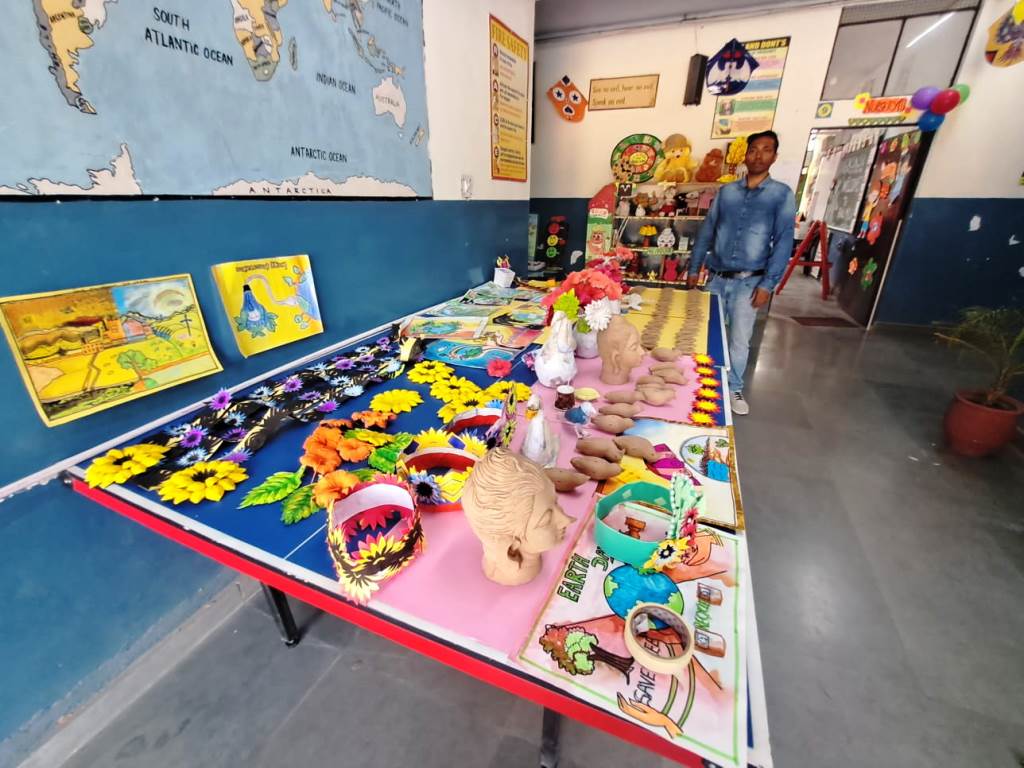
BaLA is a way to holistically plan and use the school infrastructure. It incorporates the ideas of activity based learning, child friendliness and inclusive education for children with special needs (CWSN). At the core, it assumes that the architecture of school can be a resource for the teaching-learning processes.
There are two levels of this intervention:
Develop the SPACES to create varied teaching-learning situations
Develop the BUILT ELEMENTS in these spaces as teaching-learning aids
The Spaces can be
Classroom
Corridor
Steps and staircase
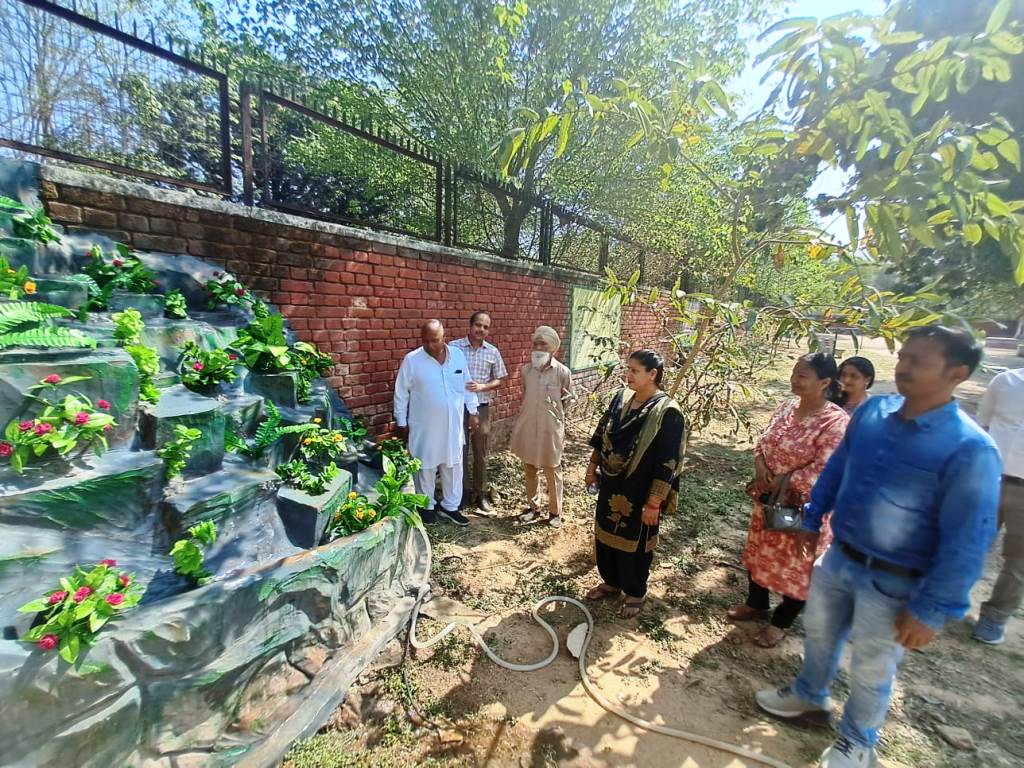
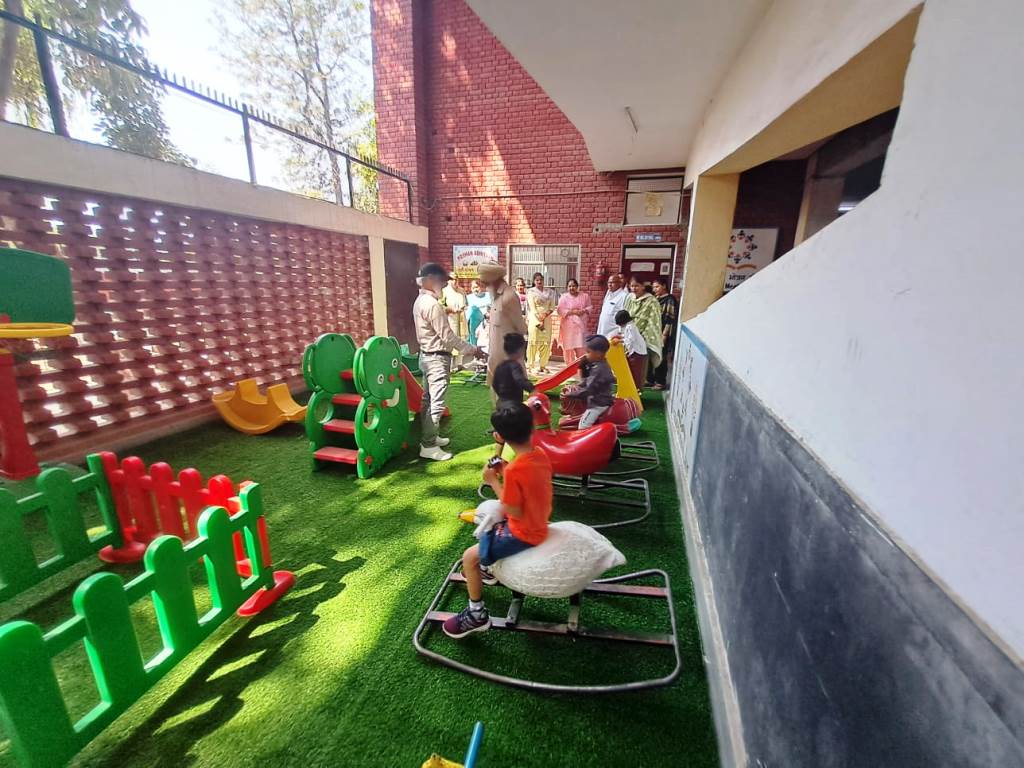
Outdoor space
The Built Elements can be
Floor
Wall
Window
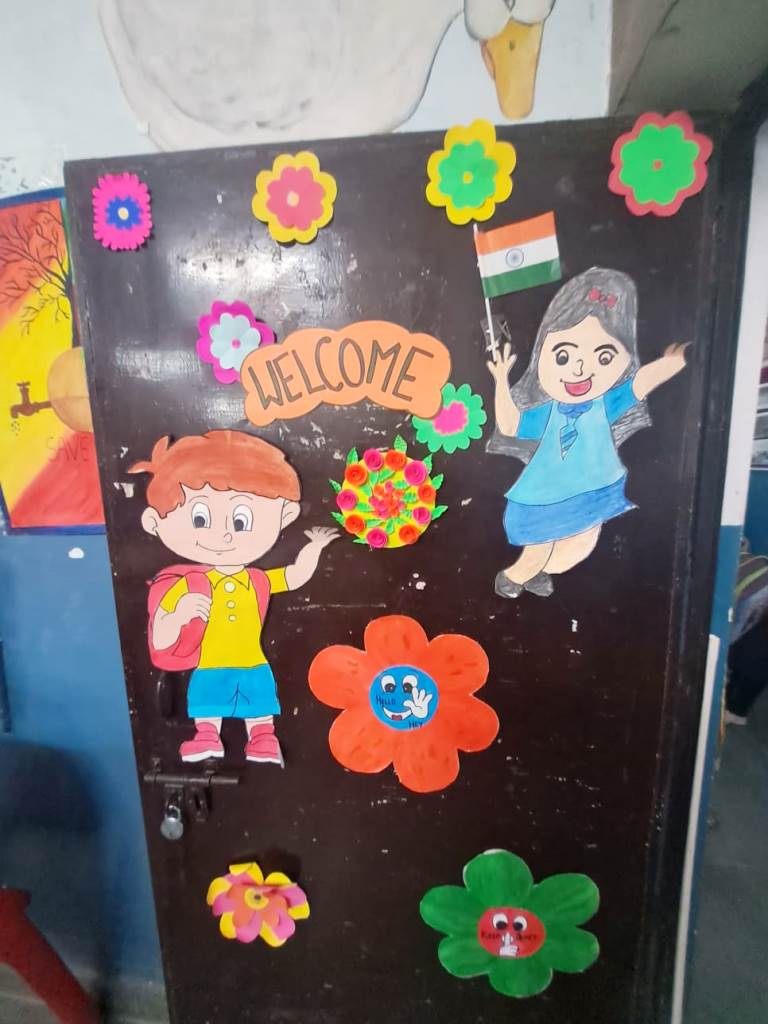
Door
Ceiling
Platform
Furniture
BaLA is about innovatively treating the space and the built elements to make the existing school architecture more resourceful with higher educational value in a child friendly manner.
But, why BaLA?
It Lets school be conceived in a holistic way
Makes the school a child friendly place
Can be introduced in existing and new school
Makes school an exciting place, allowing learning with fun
Creates conducive self-learning situations for children Can help creating inclusive learning spaces and provisions spaces for Children With Special Needs (CWSN) – i-BaLA is being developed for this purpose.
Allows learning materials accessible to children, at all times
Does not allow the TLM to be stolen or misplaced and hence it can can remain orderly
Allows Teachers to adapt them to suit their specific needs
Is more lasting and durable
Can be combined with building repairs and up-gradation
Intervention of BaLA could be achieved through a large inventory of ‘design ideas’ developed by Vinyas through an intense interdisciplinary approach.